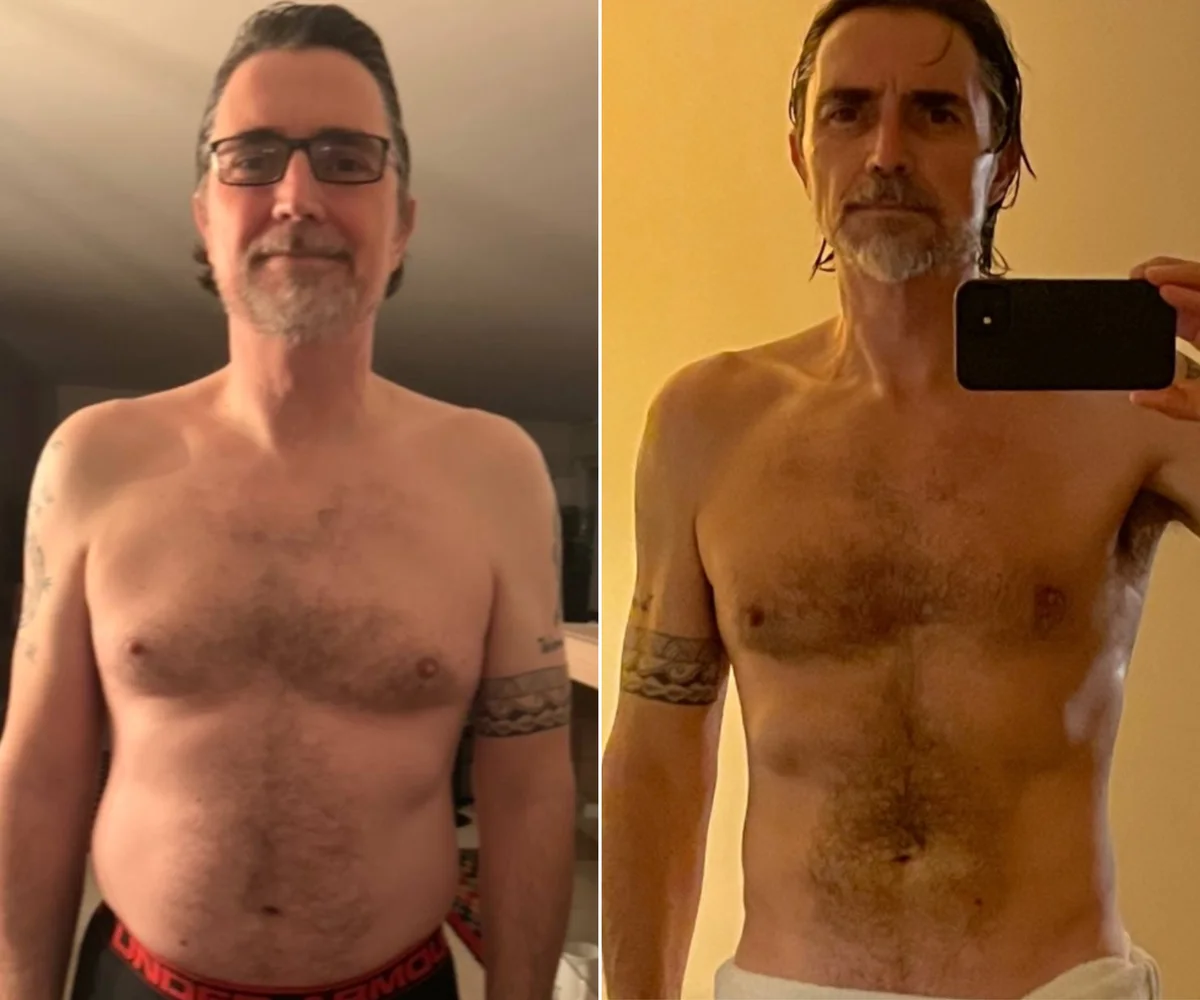
Travel and client dinners
Every time you get back on track, the next business trip breaks it.
You eat well for three weeks. You train. Then comes a flight, three client dinners and a week that goes sideways. By the time you land, the routine is gone. Here is what holds.

Why the routine breaks on the road
We reviewed 19 executives who joined The Performance Code. For 16 of them, the calendar broke every earlier attempt: travel, client dinners, and days of 12 to 14 hours.
Most plans assume you cook at home and train in the same gym every week. They have no answer for an airport at 6 a.m. or a client who orders for the table. So the plan breaks, you wait for a normal week, and the normal week does not come.
Set the right target for a travel week
You will not make your best progress on a travel week. Your target is to land back home without having lost ground. Aim for maintenance. That one shift removes a lot of pressure and keeps your decisions rational.
Hotel breakfasts and client dinners: protein and vegetables first
Hotel breakfasts make this easy: eggs and fruit, and leave the pastry and cereal. For meals you cannot control, plan the first meal off the plane before you board. Tired, hungry and in an unfamiliar place is the worst moment to decide what to eat.
At the client dinner, order from the menu like everyone else. Start with protein and vegetables. You take the fish and the salad, and then the host pours the best wine of the evening. Have the glass you actually want and skip the bread and the dessert instead. Three drinks on a long flight will cost you the next day.
Lounges and meeting chocolates
In the lounge you eat a bigger breakfast than you would at home. In the workshop there are chocolates on every table. None of it feels like a meal, and over a five-day trip it adds up. Decide before you leave: one proper breakfast, nothing from the meeting table, and something you brought yourself for the afternoon.
Drink before you fly
Dehydration on a flight feels like hunger and drains your energy on arrival. Drink more water before you fly, use electrolytes during the flight, and skip the alcohol on board.
Walk every day
Walk 20 to 30 minutes a day, wherever you are. If the hotel has no gym, use bodyweight exercises in the room. You need no equipment, and it supports your sleep.
A hotel room workout for travel weeks
Four rounds, no equipment, about 20 minutes: 15 squats, 10 push-ups, 10 lunges on each side and a 45-second plank. It keeps your strength through a heavy trip, and it is easier to start than a walk to the hotel gym.
Protect your sleep
Get natural light when you arrive in a new time zone. Stop caffeine early in the afternoon. Choose one time zone and commit to it, instead of trying to live in both.
Keep one habit, whatever happens
Pick one anchor habit that survives every trip: morning protein, a daily walk, or a water target. When everything else slips, that one stays. Pack a protein bar, electrolytes and a single serving of protein powder, so you have an option when the choices around you are bad.
Straight up: the executives who stay in shape have the same flights as you. Their system was designed for the road.