Intermittent fasting
Why skipping breakfast is making everything worse
You skip breakfast, get through the morning on espresso and call it intermittent fasting. The belly stays. The afternoon crash gets worse. Here is what is going on.

What it usually looks like at your level
Look, I understand the appeal. Intermittent fasting has real science behind it, in controlled conditions, for the right person. Most executives are doing something else. They skip breakfast because they are rushed, and they replace food with another espresso. A habit gets a scientific name, and nobody questions it.
Where it costs you
The cost shows up later in the day. People who skip breakfast usually eat more later, of lower quality, in one or two heavy meals. Your protein ends up concentrated in the evening, and that makes it harder to keep muscle as you get older. You lose weight from the part you wanted to keep, and the part you wanted to lose stays.
Then there is the decision cost. Hungry at 11 a.m. means worse decisions at lunch. A poor lunch makes the 3 p.m. crash harder. You reach for caffeine, your sleep suffers, and the next morning starts the same way. Your body composition gets worse, quietly, every week.
You did not save time. You spent it, at a bad rate.
What to do instead
The fix is simple to describe and takes some planning. Eat 30 grams of protein within 60 to 90 minutes of waking. Real food if you can, for example eggs, skyr or cottage cheese. That one input keeps you sharp through the morning and sets up the rest of the day.
Would you run your quarterly planning meeting on no information and three coffees? You know the answer. Run your body the same way you run that meeting.
What this looks like in practice
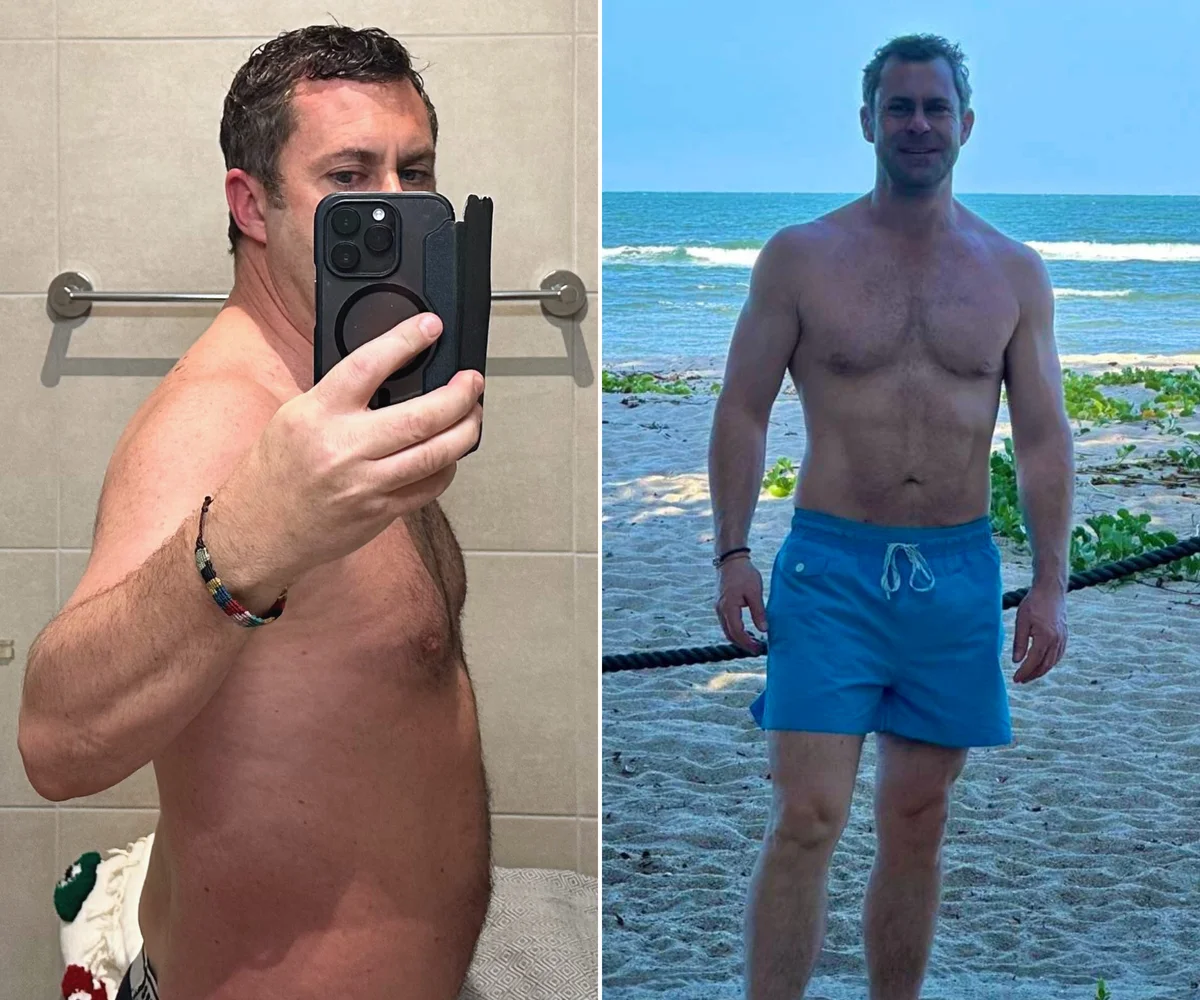
Hilarius, a finance executive in Zurich, trained five times a week and fasted, and the weight kept going up. He stopped fasting and trained less. He lost 10 kg, and his LDL cholesterol fell from 3.3 to 1.9.