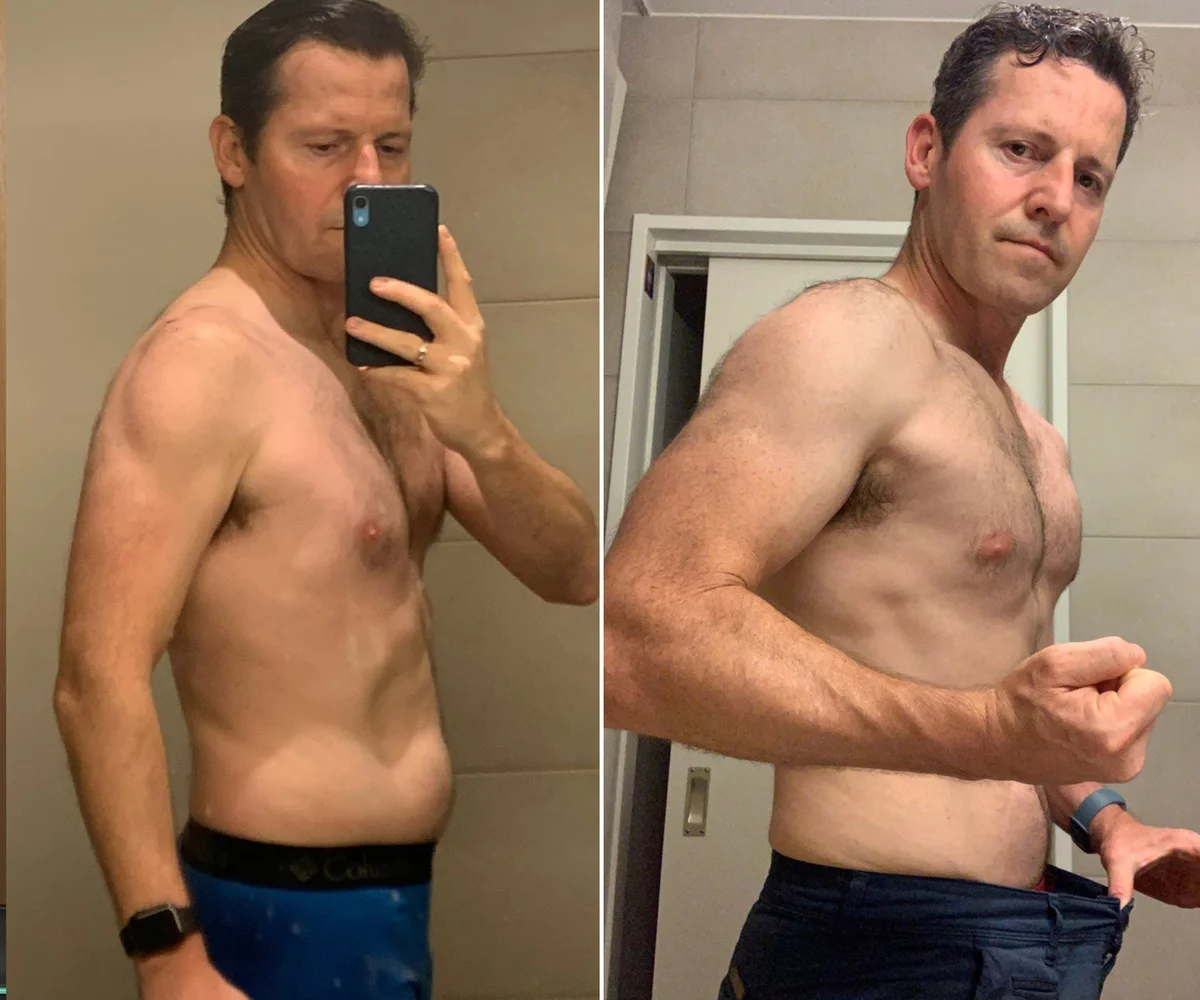
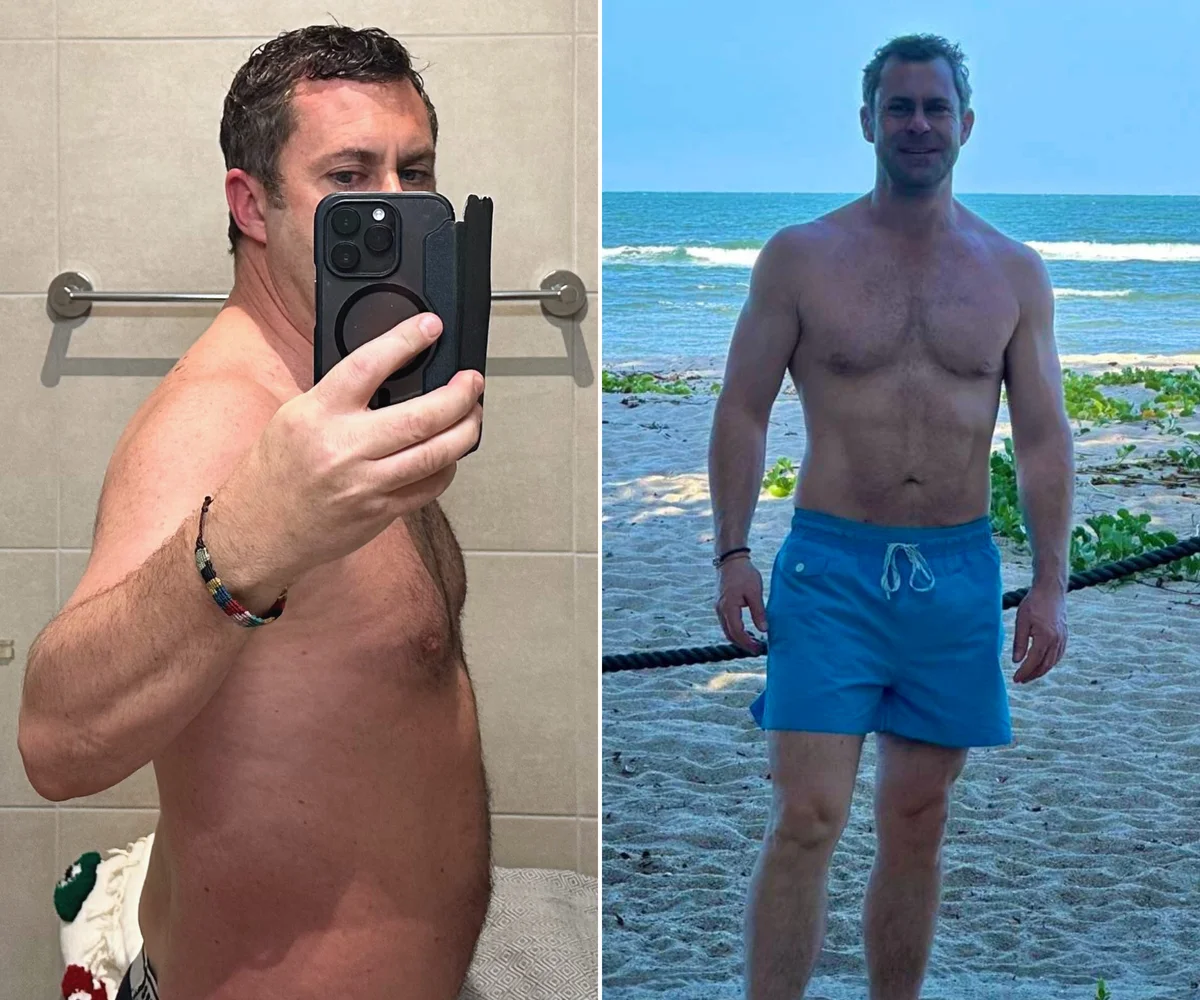
The weight keeps coming back
A kilo a year for ten years. You have lost it before. It came back.
16 of the 19 executives we reviewed said this in their own words. Some watched the scale creep up a kilo or two every year. Others lost it several times and regained it. Here is why it keeps happening, and what makes a result hold.

The creep is too small to notice
A kilo a year works out at roughly 20 extra calories a day. That is one bite of bread, far too small to count or to feel. So for years nothing seems wrong. Then a photo, a suit or a doctor's number tells you that you are 15 kg above the man you remember.
The yo-yo: why every diet ends the same way
The diets worked, which is what makes this so frustrating. You cut hard, you lose 6 kg in eight weeks, and then a trip, a family holiday or a heavy quarter ends it. Three things drive what happens next.
- The plan was built for a quiet week. Your weeks have flights and client dinners, so the plan lasts until the calendar fills up.
- Fast loss costs muscle. Cut calories hard with too little protein and no strength training, and part of what you lose is muscle. A smaller engine needs less fuel, so your old meals now push the scale up faster.
- Nothing replaced the old habits. A diet tells you what to avoid for a period. When the period ends, the habits that built the weight are still in place.
Of the 19 executives we reviewed, 12 had tried a diet, a program or calorie counting. 13 had tried more sport on their own, and 7 had worked with a personal trainer. Their verdict, again and again: not sustainable.
What makes a result hold
A pace you can live with. Our clients lose 10 kg in four months on average, a little over half a kilo a week. That pace protects your muscle and leaves room for your life.
Strength training. Two 45-minute sessions a week are enough for most of our clients. Muscle is what keeps your body from sliding back.
Protein first at every meal. It keeps you full, and it gives your body what it needs to hold on to muscle while the fat comes off.
A plan for the disruption. Decide in advance what you do at a hotel breakfast, at a client dinner and in a week when nothing goes to plan. Most results are lost in those weeks.
A real measure of progress. The scale cannot tell fat from muscle. A DEXA scan can, and our Performance Index puts it next to your blood panel and wearable data.
The part most programs leave out
The last phase of our program is called Sustain, because stopping is where most results disappear. You leave knowing how to eat in a restaurant, what to do in a hotel gym and how to correct course yourself after a heavy month. One of our clients, Jonathan, describes it as a skill set he keeps using after the program ended.
Sources
- Anderson JW et al. Long-term weight-loss maintenance: a meta-analysis of US studies. American Journal of Clinical Nutrition, 2001.
- Cava E et al. Preserving healthy muscle during weight loss. Advances in Nutrition, 2017.