More sport, no result
You train four times a week and the scale has not moved.
8 of the 19 executives we reviewed told us this, and 13 had tried more sport on their own first. One of our clients rowed five times a week and kept gaining. Here is what is going on, and what to change first.

About half of the executives we speak to still train two to six times a week, and the scale does not move. If that is you, your discipline is not the issue.
Why working out alone rarely moves the scale
A hard hour of training burns perhaps 500 to 700 calories. A business dinner with wine can pass 1,500. Most executives also sit for the rest of the day, so the session is a small part of what the body uses in a week. Training does a great deal for your heart, your mood and your muscle. On its own, it rarely moves the scale very far.
Why more can make it worse
You get hungrier. Harder training raises your appetite, and the feeling of having earned it does the rest.
You recover worse. Hard sessions on short sleep and long days add fatigue. Tired people eat more, move less for the rest of the day and sleep worse that night.
Cardio alone protects less muscle. Without strength training and enough protein, part of what you lose while dieting is muscle.
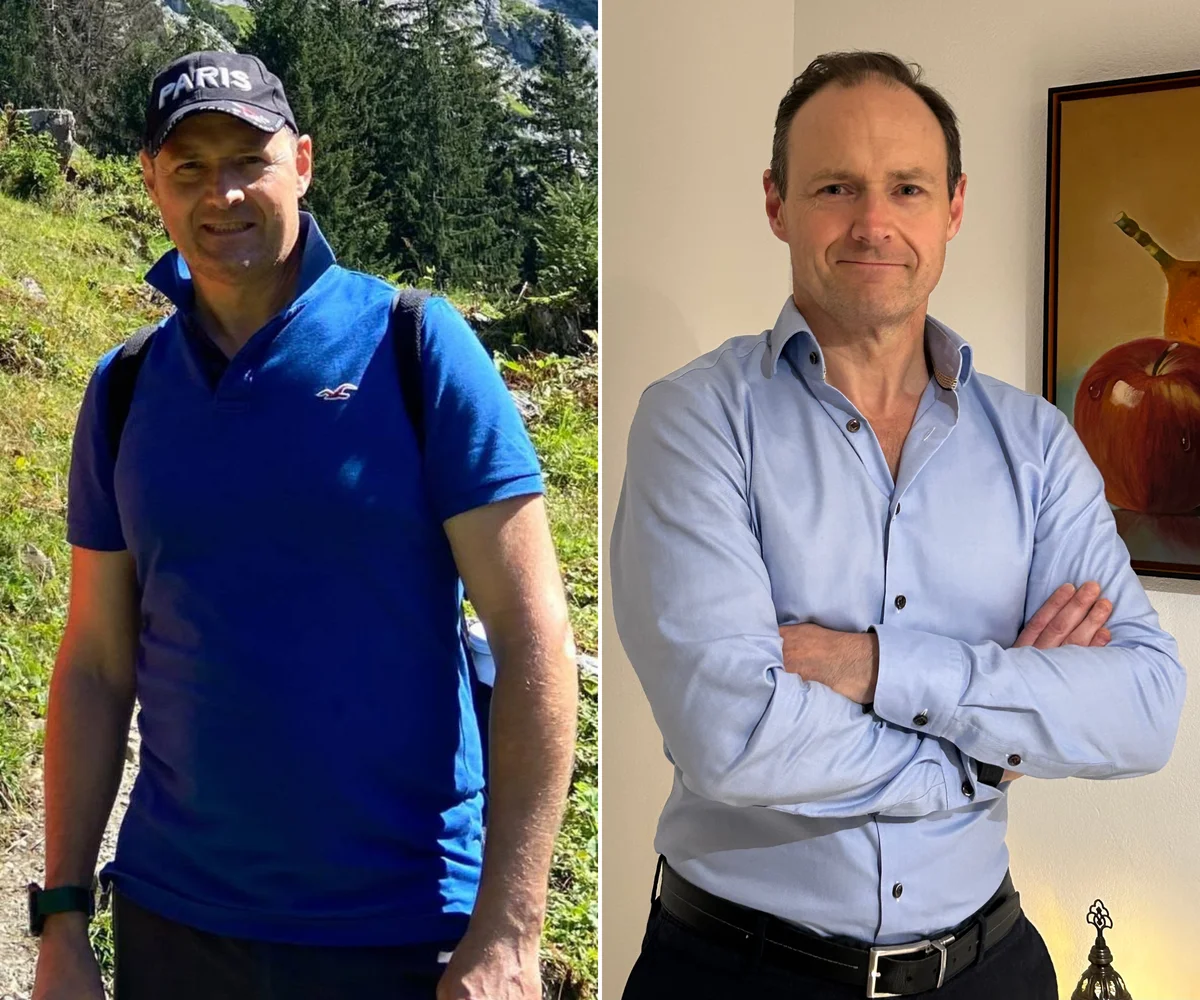
Hilarius, a finance executive in Zurich, rowed five times a week and was still gaining. In his words: "I was doing more sports, gaining more weight." We reduced his training, raised its quality and structured his nutrition. He lost 10 kg in four months. You can read his story here.
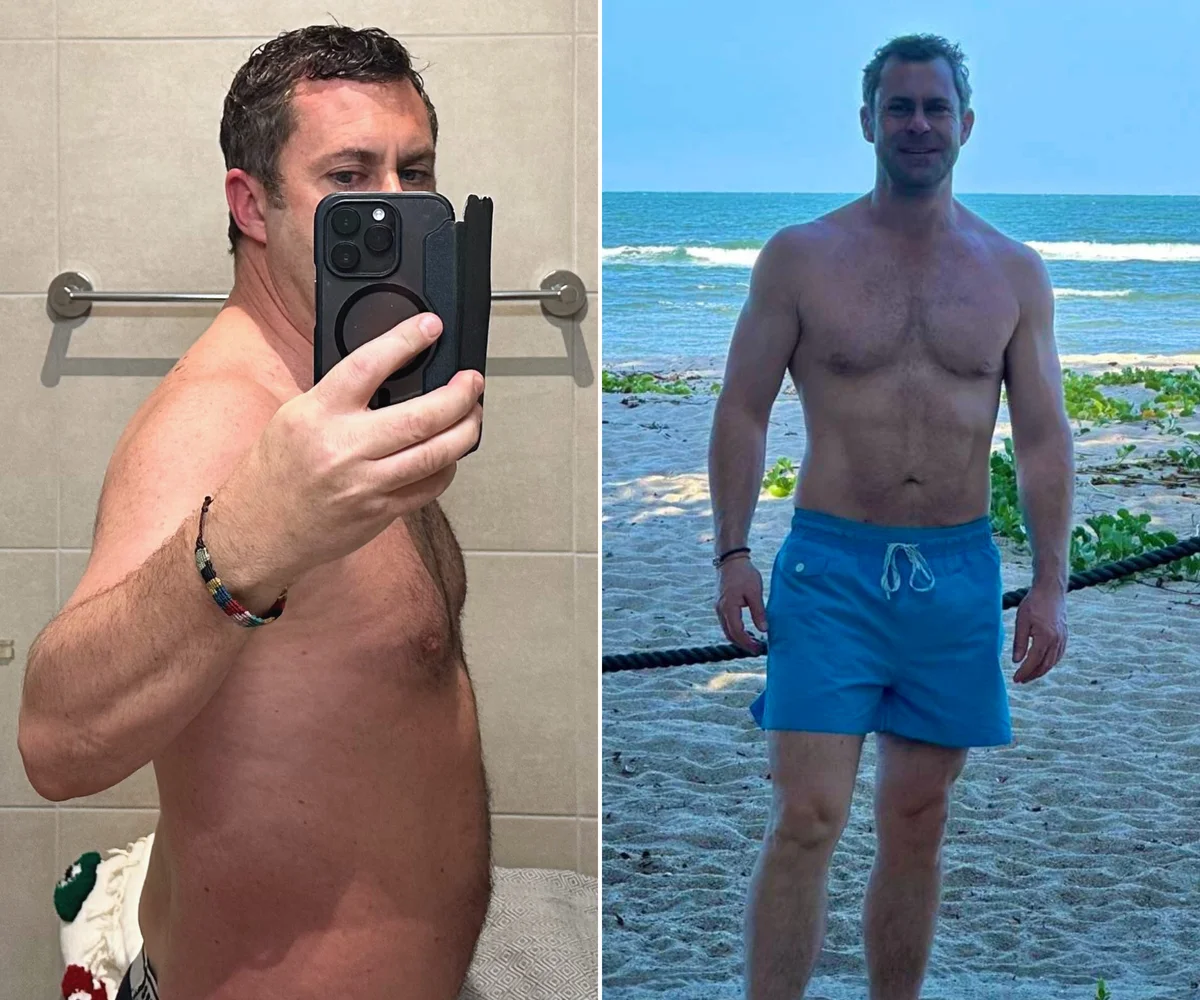
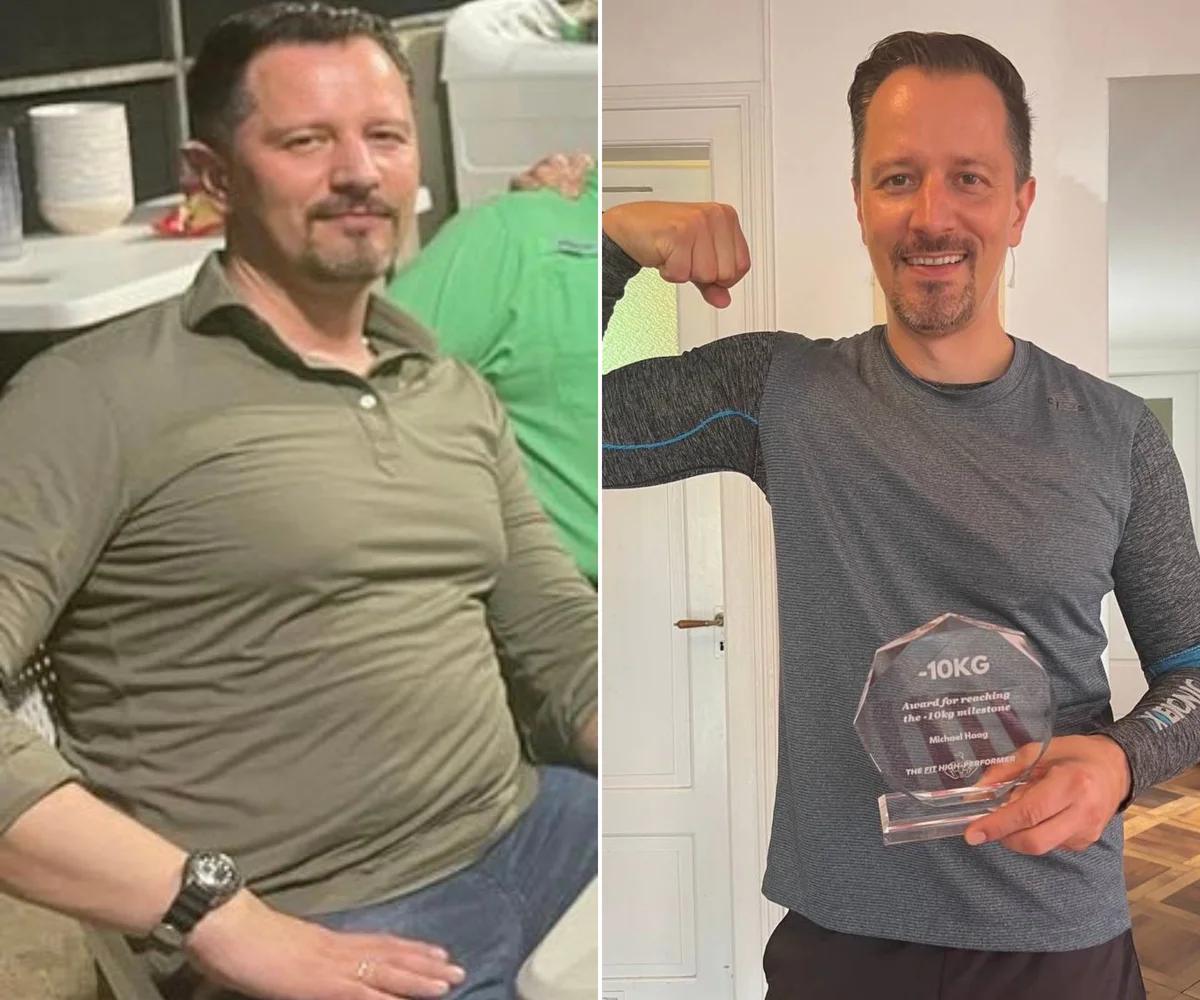
Michael, a Chief Human Resources Officer, went the other way: he stayed at one training session a week and lost 10 kg, because nutrition was the lever. Gert had done CrossFit and worked with a personal coach. Nutrition was the missing piece for him too.
What to change first
Fix the food before you add a session. Protein at every meal, more vegetables and a plan for restaurants will do more than a fifth workout.
Train for strength twice a week. Two 45-minute sessions are enough for most of our clients. Keep the sport you love on top, because you enjoy it.
Walk every day. Steps add up over a week, and they cost you no recovery.
Cut back if you are exhausted. If you are always tired and always sore, one session less can bring better results. Hilarius is the proof.
Measure what the scale misses. When you build muscle, the scale can hide fat loss. Gert lost 10 kg on the scale and closer to 12 to 13 kg of fat. A DEXA scan shows the difference, and it is part of our Performance Index.
Sources
- Thorogood A et al. Isolated aerobic exercise and weight loss: a systematic review and meta-analysis of randomized controlled trials. American Journal of Medicine, 2011.