Stress and evening eating
When you are stressed, you eat. Sweets in the evening, a glass of wine you know you should not have.
10 of the 19 executives we reviewed told us this. It starts at the coffee machine, carries on through the 4 p.m. snack and ends in the kitchen at night. Here is why it happens, and what changes it.

Where it happens: the office, then the kitchen
It starts during the day. Chocolates in the meeting room, snacks by the coffee machine, one piece that becomes several. Between 4 and 6 p.m. your energy drops and you pick at something to get through. By the evening you are underfed, tired and finished with making decisions, and food is the first thing all day that asks nothing of you. You run a business unit on discipline, so this is rarely a question of character. Of the executives we reviewed, 8 of 19 said "I know what to do, I don't do it".
What drives it
Too little food earlier. A skipped breakfast and a small lunch postpone the hunger. It comes back at 9 p.m., and it wants sugar.
Short sleep. After a short night, people tend to feel hungrier and reach for richer food. A bad night on Tuesday can be the reason for the cookies on Wednesday.
Habit. The sofa, the screen and the snack cupboard have been linked for years. The cue fires whether you are hungry or not.
The first glass. Alcohol lowers your resolve, adds calories and makes your sleep worse, which sets up the next evening.
What changes it
Eat a proper lunch. Build it around protein and do not skip it. Most evening cravings start at noon.
End the workday on purpose. A 10-minute walk, a shower or a change of clothes. Give your head a clear signal that the day is over, before you reach the kitchen.
Plan the treat. Two pieces of chocolate that you decided on in advance do far less damage than a pack of cookies you did not.
Have a plan for 4 p.m. Fruit and something with protein, ready before the dip arrives, so the coffee machine snacks are not your only option.
Change what is within reach. Move the sweets out of the kitchen and keep them away from your desk. Have something ready that you actually like, such as Greek yoghurt or fruit.
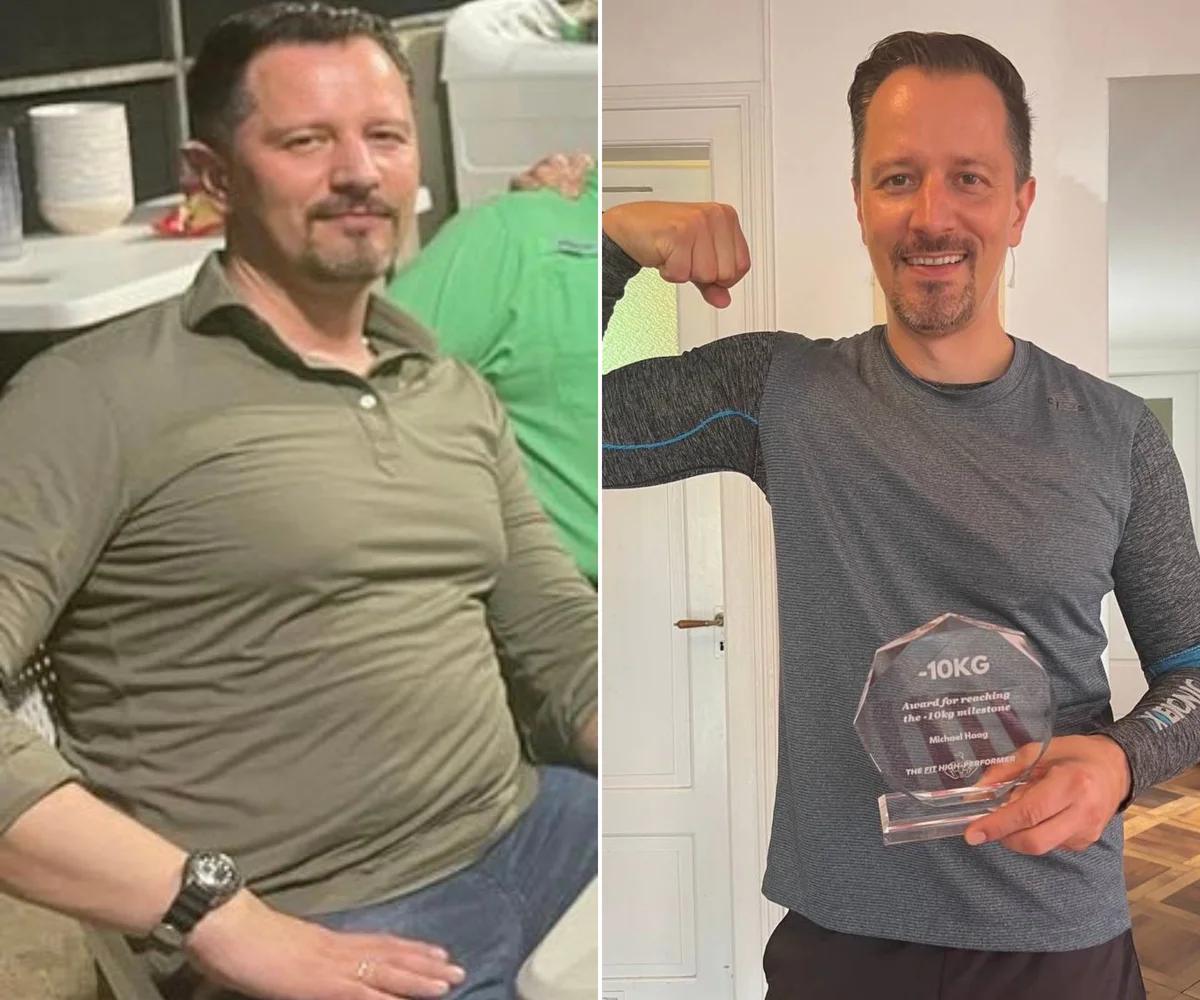
Decide on the wine before the first glass. How many, on which evenings. You can keep it. Olivier lost 20 kg in six months while still enjoying wine.
Watch it for two weeks. Note when it happens, what you ate earlier and how you slept. The pattern usually shows up quickly, and it is rarely the one you expected.
When to get more help
If your eating feels out of control or you feel real distress around it, speak to your doctor or a psychologist. That is a separate problem from the one we coach, and it deserves proper care.
Sources
- Greer SM et al. The impact of sleep deprivation on food desire in the human brain. Nature Communications, 2013.